Play Therapy and Psychotherapy
Play is children’s natural way of expression and play therapy uses play to help them work through feelings, experiences, and challenges in a safe environment. Play therapy is designed primarily for children aged 4-12. Play therapy uses toys, art, movement, music, sandtray, puppets and storytelling as the “language” of therapy. It helps children process big feelings, build regulation skills, and strengthen their sense of safety and connection.
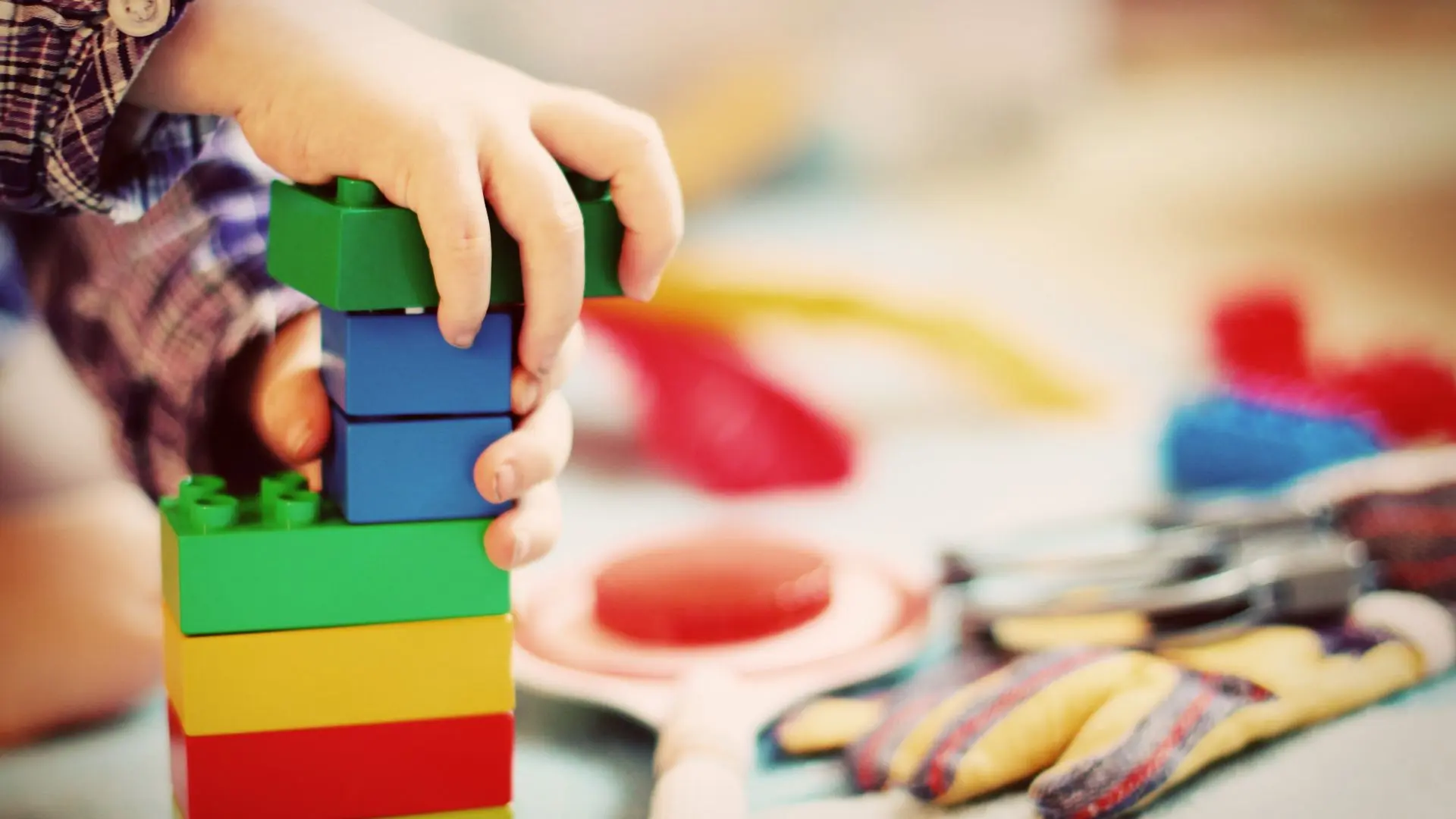

A trained play therapist will look for themes in the child’s play, notice how the child responds within the therapeutic relationship, and observe how the child regulates themselves. These insights help the therapist support the child’s growth and healing in ways that talking alone often cannot.
Children may benefit from play therapy if they are:
- Experiencing big feelings such as anxiety, sadness, or anger
- Showing changes in sleep, appetite, mood, or behaviour
- Finding it hard to cope with family changes, loss, or separation
- Struggling with friendships, bullying, or school stress
- Showing signs of low self-esteem or confidence
- Having difficulty with attention, impulse control, or regulation
For children who have lived through more complex and painful life events such as disrupted relationships, significant loss, trauma or abuse the added depth of psychotherapy alongside play therapy may be required. As a psychotherapist with additional training in play therapy, this means your child receives not only the healing power of play, but also the clinical depth of psychotherapy to support them.
“Toys are the child’s words, and play is the child’s language.”
- Gary Landreth
The Power of Play
A large study looking at nearly 100 pieces of research found that play therapy had a strong positive impact on children, especially when parents were involved (Bratton et al., 2005). More recent studies confirm that when parents take part, either by joining sessions or through approaches like filial therapy, the parent–child bond grows stronger and children’s behaviour improves (Lin & Bratton, 2015).
Parents I work with often tell me they notice changes quite quickly. They describe their child as being more settled, sleeping better, managing big feelings more calmly, and feeling more confident. Many also say that the relationship at home feels lighter and more connected.
So while play may look simple, in the therapy room it is powerful work. It gives children a safe place to explore their feelings, practise new skills, and feel truly understood. And it supports the whole family, because when children feel better in themselves, relationships at home and school improve too.
You can use the form to book or enquire about play therapy sessions. I aim to respond within 48 hours.
Alternatively, you can contact me directly at:
caroline@smallsteps.ieEnquire or Book Now
References
- Bratton, S. C., Ray, D., Rhine, T., & Jones, L. (2005). The efficacy of play therapy with children: A meta-analytic review of treatment outcomes. Professional Psychology: Research and Practice, 36(4), 376–390. https://doi.org/10.1037/0735-7028.36.4.376
- Landreth, G. L. (2012). Play therapy: The art of the relationship (3rd ed.). New York: Routledge.
- Lin, Y. W., & Bratton, S. C. (2015). A meta-analytic review of child-centered play therapy approaches. Journal of Counseling & Development, 93(1), 45–58. https://doi.org/10.1002/j.1556-6676.2015.00180.x
